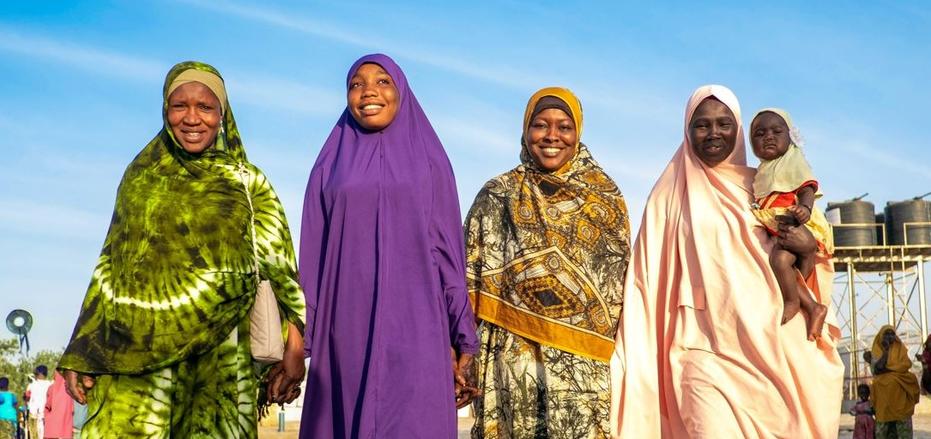
In the bustling markets of Lagos and the rural communities of northern Nigeria, a quiet revolution is underway. Women entrepreneurs are transforming their families and communities through small businesses, supported by UNDP's comprehensive economic empowerment programs.
Breaking Barriers to Economic Participation
For decades, women in Nigeria have faced significant barriers to economic participation, including limited access to finance, skills training, and markets. UNDP's Women's Economic Empowerment Programme is addressing these challenges head-on, providing holistic support that enables women to start and grow sustainable businesses.
"Before the programme, I could barely feed my family," says Amina, a 34-year-old mother of four from Kano State. "Now I run a successful tailoring business and employ three other women. My children are all in school, and I'm saving for the future."
Comprehensive Support Model
The programme combines multiple elements to maximize impact:
- Skills training: Women receive vocational training in trades ranging from tailoring to food processing
- Access to finance: Microloans and savings groups help women access the capital they need
- Market linkages: Connections to buyers and digital marketplaces expand business opportunities
- Mentorship: Successful businesswomen provide guidance and support to newcomers
Impact at Scale
Since its launch, the programme has reached over 50,000 women across 15 states. Independent evaluations show that participating women have increased their monthly incomes by an average of 120%, with ripple effects throughout their communities.
"When you empower a woman, you empower a community," says Dr. Fatima Bello, UNDP Nigeria's Gender Advisor. "We're seeing improvements in child nutrition, school enrollment, and household decision-making power."
Looking Ahead
Building on this success, UNDP is scaling up the programme with support from the Government of Nigeria and international partners. The goal is to reach 200,000 women by 2028, with a particular focus on climate-vulnerable communities and conflict-affected areas.
For women like Amina, the future has never looked brighter. "I dream of opening a training center for young women," she says. "I want to give them the same chance I received."